Japanese Listening Practice: Cherry Blossom Festival in Japan | TKG & Sushi | Japanese with Ren
Synced Script · Vocabulary & Expressions · Flashcards · Quiz · Fill-in-the-Blank · Reverse Challenge
What You'll Learn
- How to talk about plans and future intentions in Japanese
- Natural expressions for describing a Japanese festival experience
- Vocabulary for ordering at a conveyor belt sushi restaurant
- Cultural insight into TKG (tamago kake gohan) and Japanese breakfast
- Expressions used after a meal in Japan
- How to share a dream with 〜するのが夢です, such as traveling to all 47 prefectures of Japan
- Culture notes from Ren's trip home
- the 坊主 haircut culture in high school baseball
- how Kanto and Kansai differ
- the escalator side
- マック vs マクド
Full Transcript (Japanese)
みなさんおはようございます。今日はおじいちゃんおばあちゃんの家で寝泊まりをしました。僕は今地元に帰省しています。
今日は地元の桜祭りと日本でおすすめなお寿司屋さんに行く予定です。これからその様子をお届けしたいと思います。
今日は横浜DeNAベイスターズの掛け布団で寝ていました。日本の神奈川県を拠点として活動するプロ野球チームです。これから出かける準備をします。部屋から出て階段を降りていきます。
このトップスはユニクロのシャツです。生地がサラサラとしていてとても軽いのですごくおすすめです。
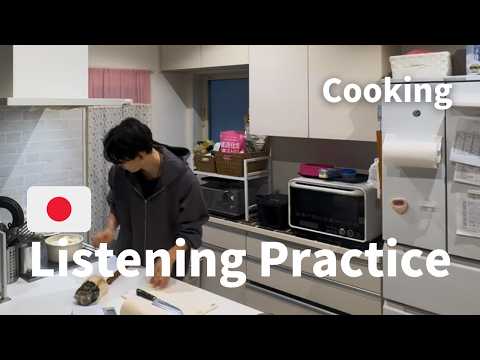
味噌汁が作ってあったのでガスコンロで味噌汁を加熱します。味噌汁は日本の定番のこの朝ごはんです。火力を調整しています。味噌汁をかき混ぜています。味噌汁に入れる具材は自由なのでアレンジができていろんな味噌汁を楽しむことができます。ちなみに僕は味噌汁にわかめを入れるのが好きです。
炊飯されたご飯を茶碗によそっていきます。このご飯をすくうものをしゃもじと言います。日本人はご飯をよく食べるので炊飯器はどの家庭にも置いてある家電です。煮物なども作れるのでとても便利です。
今日の朝食は卵かけご飯と味噌汁です。卵かけご飯は日本の朝食のど定番です。ど定番のどは強調する語でものすごく定番ということです。卵かけご飯には醤油をかけます。ソースをかけたり塩をかけたりいろんなタイプの人がいます。
皆さんの国では生卵を食べる習慣はありますか?ぜひコメント欄で教えてください。生卵を食べる文化がない国があるということを聞いてすごくびっくりしました。日本の朝食の定番として他にも納豆かけごはん、卵焼きや目玉焼きなどがあります。
食べ終わったのでごちそうさまと言って挨拶をします。すぐに食器洗いをします。実はこのおじいちゃんおばあちゃんの家には陶器割れ物がたくさんあってそのお皿が割れないようにすごく気を使っています。ちなみに日本では地震が多いので地震の揺れで扉が開かないような仕組みになっている家具がたくさん売っています。
お皿が洗い終わったので着替えをしていきます。今日は暖かい日なので春の季節にぴったりな服装をしていきます。シャツを着替えてズボンを履きベルトを締めていきます。次に靴下を履いていきます。こんな感じで僕はいつも靴下を履くときに片足だけで履けるかどうか挑戦をしています。
服が着替え終わり次にドライヤーで髪をセットしていきます。僕は高校時代坊主でした。野球部だったからです。日本の高校球児、つまり高校で野球部に入っている人たちはなぜか坊主にする文化があります。なので日本で坊主の高校生を見かけたらもしかしたら野球をやっているかもしれませんね。
髪が長いと乾かすのが大変なのでもし坊主が流行ったら僕も坊主にしたいと思っています。僕は癖っ毛なので湿気や風で髪がボサボサになってしまわないようにヘアスプレーをしていきます。日本ではまっすぐでサラサラした髪の毛のウケが良いみたいです。なので縮毛矯正をする人がたくさんいます。ですがお金がすごくかかるので僕は自分の髪で勝負していきたいと思っています。
髪のセットが終わりアウターつまり上着を着ていきます。皆さんの国ではパーソナルカラーという概念はありますか?日本では自分に似合う色診断というものがあって僕はブルベ冬に分類されてネイビーなどが似合うそうです。
さあ出かける準備ができたのでこれから桜まつりへと向かいます。桜まつりへは車で向かいます。駐車場でみんなが車に乗るのを待っています。車に乗ります。車に乗りながら外の景色を眺めています。気温が上がってきてドライブに最適な季節になってきました。
日本の住宅街です。桜の木がたくさん植えられていますね。なのでこの道は桜通りと呼ばれています。公園にも桜が咲いています。ここでピクニックをしたいような景色ですね。日本人がピクニックで持っていく食べ物はおにぎりやサンドウィッチが定番です。
近くの駐車場に車を停めてこれから歩いて桜祭りへと向かいます。日本の踏切です。踏切を渡ります。こうして改めて踏切を見ると地元での懐かしい思い出がよみがえるような気がします。
さあ桜祭りに到着しました。たくさんの人が歩いているのが見えますね。この通りは普段車が通っているのですがお祭りが開催している時間帯は歩行者天国といって車が通行止めになります。
左手側にサンリオキャラクターのグッズが売っている屋台が見えます。その隣には和牛の串焼きが売っていますね。続いてリンゴ飴です。さらにその奥には10円パンが売っています。
ちなみに皆さんの住んでいる国ではお祭りはありますか?お祭りのお話を通して世界の文化を知れたらすごく嬉しいのでぜひコメント欄で教えてくださいね。
屋台で抹茶ショコラパンを買いました。僕はパンが大好きで旅行先では必ずその地域のパン屋さんを訪れて買い物をするぐらい好きです。パンを食べています。パンの香りと抹茶の香りがしてとても美味しかったです。
僕は日本の47都道府県を旅するのが夢なのですが同時にその地域のパン屋さんにも訪れたいと思っています。もう少し屋台を回りたいと思います。左手側にトルコののびーるアイスが売っています。ここにはベビーカステラが売っています。ベビーカステラは日本の祭りの定番屋台です。
午後5時になりお祭りが終了しました。さっきよりも人が減っていますね。これから夕食を食べに行きます。夕日がとても綺麗ですね。お祭りが終わった儚さも少し感じますね。こうして地元で夕日を眺めながら歩いていると放課後外で遊んだ帰りを思い出します。
お寿司屋さんの予約時間まで少し時間があるので近くのショッピングモールで時間を潰したいと思います。本屋さんへと訪れました。僕は小さい頃から本を読むのが少し苦手です。ですが大人になってから少しずつ本を読み始めるようになりました。
次にガチャガチャのお店に訪れました。ここではたくさんのガチャガチャがあります。日本では今ガチャガチャがとても流行っていてこういうガチャガチャのお店がたくさん増えてきました。
ガチャガチャのお店を見終わってエスカレーターで1階へ降ります。日本では関東はエスカレーターの左側に立ち関西ではエスカレーターの右側に立つみたいです。理由はよくわかりません。
時間がまだ少しあるのでマックでお茶を飲みたいと思います。関東の人はマック、関西の人はマクドと言います。スマートフォンでモバイルオーダーをします。アールグレイレモンティーを注文しました。マックは銀座で日本の1号店が誕生して今では全国約3000店舗あるみたいです。
お寿司屋さんに到着しました。はま寿司です。日本で有名なお寿司屋さんのチェーン店です。このようにタブレットで注文していきます。日本語英語中国語に対応しているみたいなので日本語がいまいちわからない人も安心して訪れやすいお店だと思います。
はま寿司はこのようにお寿司がレーンで運ばれてきます。いろいろな醤油が置いてあります。他にもガリやわさび塩お茶の粉七味などが置いてあります。
サーモンを注文します。このサーモンは160円です。価格帯もとても安いので家族連れにもおすすめなお店です。
高級店ではお醤油のつけ方など少しマナーが難しいみたいなのでそういうマナーも楽しみたい方は高級なお寿司屋さんに、少し自由に楽しみたい方はお寿司屋さんのチェーン店に行くと良いと思います。
今日も最後までご覧いただきありがとうございます。では次の動画でお会いしましょう。おやすみなさい。
Bilingual Script
Vocabulary & Expressions
Vocabulary Flashcards
Vocabulary Flashcards
Comprehension Quiz
Q1. What did Ren eat for breakfast at his grandparents' house?
- A) Matcha chocolate bread and tea
- B) Natto over rice and grilled fish
- C) Raw egg over rice and miso soup
- D) Fried egg and toast with coffee
Q2. What special bread did he buy at the festival food stall?
- A) Classic 10-yen bread
- B) Matcha chocolate bread
- C) Bite-size baby castella
- D) Sliced melon bread
Q3. How do you order food at Hamazushi?
- A) Using a smartphone mobile order app
- B) Using a tablet at your table
- C) Asking a friend to order for you
- D) Reserving your dishes in advance
Fill-in-the-Blank Practice
Q1. 今日は地元の桜祭りに行く___です。
Today I plan to go to the local cherry blossom festival.
Q2. 食べ終わったので「___」と言って挨拶をします。
Since I finished eating, I say "thank you for the meal" as a greeting.
Q3. この通りはお祭りの時間帯に___になります。
During the festival hours, this street becomes a car-free street.
Q4. 僕は日本の47都道府県を旅する___です。
It is my dream to travel to all 47 prefectures of Japan.
Reverse Challenge: English → Japanese
Producing Japanese from meaning. This is what builds real conversation ability.
Q1. How do you say "I plan to go to a conveyor belt sushi restaurant with friends tonight"?
Q2. How do you say "There is an hour until the movie, so I'll kill time at a bookstore"?
Q3. How do you say "My dream is to open a small bakery someday"?
Q4. How do you say "I left the car in the parking lot and walked to the festival"?
AI Conversation Practice Prompt
AI Conversation Practice
Copy and paste this into any AI chatbot (ChatGPT, Claude, etc.) to practise speaking Japanese. You don't need to read the Japanese yourself — just paste it, and the AI will start a simple Japanese conversation and gently guide you.
Conversation Practice with Me
Let's actually talk!
You can take a 30-minute Zoom conversation lesson with me. Lessons are held in Japanese.
It's perfect for learners who can already hold a conversation in Japanese (around N3 and above) and want to gain real speaking experience!
Related Episodes
- Japanese Listening Practice: Bakery Tour in Japan | Vending Machine Bread & Taste Vocabulary — Food vocabulary and expressions for describing tastes in Japanese
- Japanese Listening Practice: Real Home Cooking in Japan | 3 Homemade Dishes — Kitchen vocabulary and real expressions from a Japanese home kitchen
Enjoying these free lessons?
Watch the full video on YouTube and subscribe to catch new episodes.

I'd be happy if you'd support me
To make sure no one misses the chance to learn Japanese for financial reasons, all learning materials, such as videos and this site, are provided free.
To keep this going and deliver better content, and if you've found these materials helpful, I'd be very happy to have your support, entirely at your discretion.