Japanese Listening Practice: Real Morning Routine in Japan, Skincare, Walk & Breakfast | Japanese with Ren
Synced Script · Vocabulary & Expressions · Flashcards · Quiz · Fill-in-the-Blank · Reverse Challenge
What You'll Learn
- How to describe a morning routine step by step in Japanese
- Skincare vocabulary
- ワセリン MeaningVaseline
- 日焼け止め Meaningsunscreen
- 保湿 Meaningmoisturizing
- How to say hay fever with 花粉症
💡 花粉症 (hay fever) is very common in Japanese spring conversation - Six onomatopoeia from daily life
- ジョリジョリ
- シャカシャカ
- くちゅくちゅ
- ごくごく
- ふんわり
- むずむず
- How to express purpose with 〜のために
Meaningin order to ~ - Japanese rice paddy vocabulary
- 田んぼ
- 田植え
- 用水路
- How to say "I'm leaving" with 行ってきます
💡 行ってきます is a farewell expression, with notes on when to use it
Full Transcript (Japanese)
みなさんおはようございます。今日は日本で暮らす日本人の僕が外に出かけるまでのモーニングルーティンを紹介します。この動画が皆さんの日本語のお勉強になったらとっても嬉しいです。
僕は目が悪いので裸眼だと何も見えません。なので眼鏡をかけています。起きたばかりで眠いので動かずにフリーズしていますね。ようやく動き出して、耳栓を取ります。耳にする栓で「耳栓」です。布団から立ち上がります。歩いて部屋の出口へ向かい、ドアを開け、電気を消します。今度は電気をつけ、階段で1階へ降ります。階段の右側にある手で掴む部分を「手すり」と言います。
これから少し朝の散歩をしようと思うので、朝の準備をします。電気をつけてアイマスクをとります。眼鏡を外します。ここは日本語で「洗面所」と言います。前にあるものを「鏡」と言います。水道から水を出して、水で目の周りを洗っています。
日本は今花粉が飛んでいる時期です。僕は花粉症なので、朝起きると目やにがついています。ちなみに僕はイネ花粉です。ワセリンで顔の保湿をします。ワセリンは保湿力が高いので、乾燥肌の僕は愛用しています。ワセリンを手に取り、薄く伸ばします。そしたら顔の全体にワセリンをなじませます。目や鼻、口の周りなどにもワセリンを塗ります。顎にも塗ります。余ったら首にも塗ります。
今度はヒゲ剃りをします。ヒゲをジョリジョリと剃ります。ヒゲ剃りはとてもめんどくさいです。皆さんはめんどくさいと感じることはありますか?ぜひコメント欄で教えてください。日本語の練習にもなるので、日本語でぜひコメントしてみてくださいね。
今度は歯を磨きます。歯ブラシで歯をシャカシャカと磨きます。奥歯から前歯までしっかりと丁寧に磨きます。僕は右利きですが、左手で歯を磨いています。歯を磨き終わったので、水で口をすすぎます。くちゅくちゅと口をすすぎます。扉を開けて歯ブラシをフックに引っ掛けます。ワセリンの蓋を閉め忘れていたので、閉めます。
今度は日焼け止めを塗ります。日焼け止めで肌が荒れてしまう僕でも使いやすい日焼け止めです。日焼け止めを手にとって手のひら全体になじませたら、顔全体に日焼け止めを塗ります。手の柔らかい面を「手のひら」、手のゴツゴツしている方を「手の甲」と言います。この日焼け止めは顔が白くなってしまいます。手のひらについた余分な日焼け止めをペーパータオルで拭きます。普段はコンタクトレンズをつけていますが、今は花粉がひどいので眼鏡をかけます。
今度はヘアブラシで髪をとかします。「今度は」と「次は」は、似たような使い方をしています。根元から毛先までしっかりと髪をとかします。最後は手で髪を整えています。ふんわりとするように整えています。「ふんわり」は柔らかく広がる様子を表しています。さっきも言ったように、僕は花粉症なので鼻がむずむずします。だから鼻を噛みます。ティッシュで鼻を噛んでいます。今度は体重を測ります。
僕は毎朝体重を測っています。「毎日」の「毎」と「朝」で「毎朝」です。体型管理のために毎朝体重を測っています。「〜のために」の「ために」は目的を表しています。今度はメジャーでウエストを測ります。使い終わったのでメジャーを巻き取ります。引き出しを開けてメジャーを中にしまいます。
体重を測り終わったら水を飲みます。キッチンがめっちゃ散らかっていますね。日本人は「めっちゃ」を、めっちゃ使います。水を「ごくごく」・「がぶがぶ」・「ぐびぐび」と飲みます。「ごくごく」・「がぶがぶ」・「ぐびぐび」はすべてオノマトペです。飲み終わったので、コップを置きます。今度は外に出るので服を着替えたいと思います。
階段で2階へ上がります。「〇〇へ」の「へ」は行き先を表します。クローゼットを開けます。どの服を着るか迷っています。選ぶのがめんどくさいので、簡単に着られるパーカーを着ることにしました。このパーカーはGUで買ったパーカーです。「GUで」の「で」は場所を表します。袖を通してパーカーを着ます。パーカーのチャックをしめます。着替え終わったので電気を消し、階段で1階へ降ります。
廊下を通って玄関に向かいます。靴を履く前に靴下を履きます。黒い靴下です。靴下を履いたら、今度は靴を履きます。靴に足を入れたら靴ひもをしっかり結びます。靴ひもはちょうちょ結びで結びます。ちょうちょのような形をしているから「ちょうちょ結び」と言います。靴を履き終わったので、玄関の鍵を開けて、玄関を開けて、外へ出ます。
道を歩いています。この地面を日本人は「アスファルト」と言います。なので「アスファルトの上を歩いています」ということができます。これは「歩いている」と言いますが、これは「走っている」と言います。日本は今春なので、いろんなお花や雑草が咲いています。ピンクのようなオレンジのようなお花がたくさん咲いていますね。もし知っていたら、ぜひコメント欄で教えてくださいね。
今日は晴れていますね。青い空と白い雲が見えます。今日は晴れですが、他にも「曇り」・「雨」・「雪」などという言葉で天気を表します。僕が毎朝散歩をしている理由は、太陽の光を浴びるためです。朝に太陽の光をしっかり浴びると、夜ぐっすり眠れる気がします。ちなみに太陽の光のことを「日光」と言います。日本人は平均睡眠時間が世界で一番短いと言われています。僕は1日8時間ぐらい寝ています。皆さんは1日何時間ぐらい寝ますか?
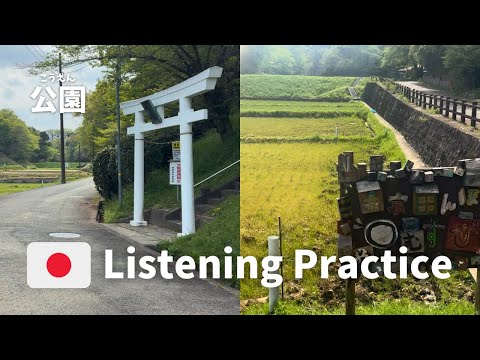
ここは田んぼです。稲を育ててお米を作るところです。もう少しで「田植え」といって、田んぼに稲を植える作業が始まります。ちなみにこの溝は「用水路」といって、川から田んぼへ水を送る役割をしています。
家に帰ってきました。日本人は家では靴を脱いで生活します。さっきは靴ひもを結びましたが、今度は靴ひもをほどきます。2階に上がって自分の部屋のシャッターを開けます。シャッターを開けて日光を部屋の中に入れます。毛布をどかして布団を畳みます。布団をそのまま敷いておくと、湿気で床と布団にカビが生えてしまいます。だから布団を毎朝畳みます。
1階へ降りて朝食を作ります。冷蔵庫を開けて、冷蔵庫からレバー、冷凍庫から冷凍野菜を取ります。耐熱容器にレバーを入れます。次に冷凍されたほうれん草を入れます。この冷凍野菜は業務スーパーで買っています。次に冷凍ブロッコリーを入れます。今度はワカメを入れます。最後に醤油を入れます。入れ終わったら蓋をして電子レンジで温めます。ちなみにこれは「1分28秒」と読みます。
電子レンジで温め終わりました。電子レンジを開けて耐熱容器を取り出します。卵を割ります。「いただきます」。日本人は「いただきます」と挨拶をしてからご飯を食べます。僕はこのように毎朝お肉と野菜を電子レンジで温めて食べる生活をしています。理由は体型を維持するためと、料理の時間を省けるからです。日本人はこれを「時短」と言います。見た目はあまり良くないですが、美味しくて栄養もたっぷりなので、すごく満足しています。「ごちそうさまでした」。
食べ終わったら「ごちそうさまでした」と言って挨拶します。ご飯を食べ終わった後は、すぐに歯を磨きます。歯ブラシに歯磨き粉をつけます。歯を磨き終わったら、フロスで歯の間を掃除します。歯をしっかり手入れして虫歯にならないようにします。それが終わったら今度はマウスウォッシュで口をすすぎます。マウスウォッシュを口の中に入れて、くちゅくちゅと口をすすぎます。マウスウォッシュの蓋を閉めて、しまいます。
眼鏡のレンズが汚れているので綺麗にします。眼鏡にハンドソープをつけます。レンズに傷がつかないように泡で優しく洗います。洗い終わったら水で泡を洗い流します。ティッシュで眼鏡の水滴を拭き取ります。今度は服を着替えます。今日はこのままパーカーを着て出かけます。洗面台でヘアブラシを使って髪を軽く整えます。
みなさん最後まで動画を見てくれてありがとうございます。他の言語の字幕が欲しいときは、ぜひコメント欄で教えてください。この動画が日本語のお勉強の役に立ったら、すごく嬉しいです。皆さんにも素敵な朝が訪れますように。ではまた次の動画でお会いしましょう。
行ってきます。
Bilingual Script
Vocabulary & Expressions
Vocabulary Flashcards
Vocabulary Flashcards
Comprehension Quiz
Q1. Why was Ren wearing glasses today instead of contact lenses?
- A) Because his hay fever was bad, so he wore glasses instead of contacts
- B) Because his eyesight was very poor and he couldn't see anything without correction
- C) Because his glasses lenses got dirty and he wanted to clean them
- D) Because he took off his glasses before washing his face
Q2. What is Ren's reason for taking a morning walk every day?
- A) In order to soak up some sunlight in the morning
- B) So he can check on the rice paddies near his house
- C) So he can measure his weight and waist size along the way
- D) Because he wants to rest for a while before leaving
Q3. What did Ren say at the very end of the video?
- A) 行ってきます
- B) いただきます
- C) ごちそうさまでした
- D) おはようございます
Fill-in-the-Blank Practice
Q1. 花粉症なので、鼻が___します。
Because I have hay fever, my nose is tickly.
Q2. 太陽の光を___ために、毎朝散歩をしています。
I take a walk every morning in order to soak up the sunlight.
Q3. 準備が終わったので、___!
I've finished getting ready, so I'm heading out!
Q4. 布団をそのまま敷いておくと、___で床と布団にカビが生えてしまいます。
If you leave the futon spread out, mold will grow on the floor and the futon from the moisture.
Reverse Challenge: English → Japanese
Producing Japanese from meaning. This is what builds real conversation ability.
Q1. How do you say "My eyes are itchy and my nose is running" in Japanese?
Q2. How do you say "I get up early every day to make breakfast"?
Q3. How do you say "I'm home! I'm tired today"?
Q4. How would you say "My contact lenses hurt, so I'm wearing glasses"?
AI Conversation Practice Prompt
AI Conversation Practice
Copy and paste this into any AI chatbot (ChatGPT, Claude, etc.) to practise speaking Japanese. You don't need to read the Japanese yourself — just paste it, and the AI will start a simple Japanese conversation and gently guide you.
Conversation Practice with Me
Let's actually talk!
You can take a 30-minute Zoom conversation lesson with me. Lessons are held in Japanese.
It's perfect for learners who can already hold a conversation in Japanese (around N3 and above) and want to gain real speaking experience!
Related Episodes
- Japanese Listening Practice: Nature Park Walk, Picnic & Evening Routine in Japan — Evening routine Japanese with N4 grammar and casual speech patterns
- Japanese Listening Practice: Bakery Tour in Japan | Vending Machine Bread & Taste Vocabulary — Daily life Japanese with food and taste vocabulary
Enjoying these free lessons?
Watch the full video on YouTube and subscribe to catch new episodes.

I'd be happy if you'd support me
To make sure no one misses the chance to learn Japanese for financial reasons, all learning materials, such as videos and this site, are provided free.
To keep this going and deliver better content, and if you've found these materials helpful, I'd be very happy to have your support, entirely at your discretion.